

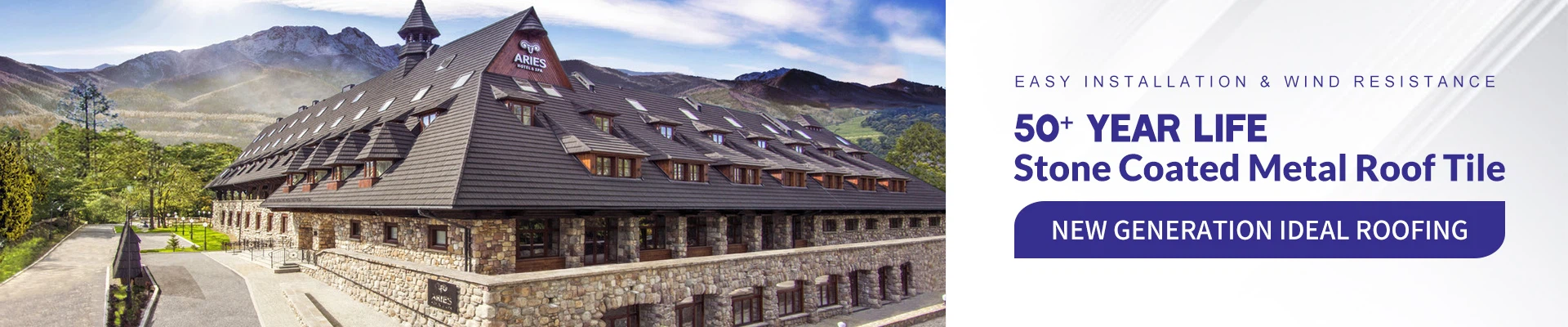
How Long Do Spanish Tile Roofs Last In California?
Oct 22, 2026
Leave a message
How Long Do Spanish Tile Roofs Last in California? Critical Real‑World Lifespan & Hidden Pitfalls
Table of Contents
- How Long Do Spanish Tile Roofs Last in California
- Why Spanish Tile Roofs Fail Earlier Than You Think
- Common Signs a Spanish Tile Roof Is Failing
- How to Extend the Life of a Spanish Tile Roof
- Spanish Tile vs. JHL Bond Stone Coated Metal Roof Tile
- Should You Replace Your Spanish Tile Roof?
- Final Thoughts
Author: JHL Roof Technical Team | Published: Nov 05, 2026
Our technical team draws on real‑world project feedback from California roofing contractors. We break down true system lifespan instead of only marketing lab ratings.
Homeowners with Mediterranean‑style properties across Southern California constantly ask one practical question: how long do spanish tile roofs last. Many people only look at tile surface durability and overlook the full roof assembly, including underlayment, flashing and fasteners.
Spanish barrel tile delivers that iconic terracotta curb appeal seen everywhere from Los Angeles to San Diego. Even so, California's harsh combination of intense UV heat, Santa Ana high winds, occasional heavy rain and coastal salt air puts constant stress on every layer of your tile roof system.
If you want broader context for other popular roofing materials used state‑wide, read our companion article: How Long Do Roofs Last in California?
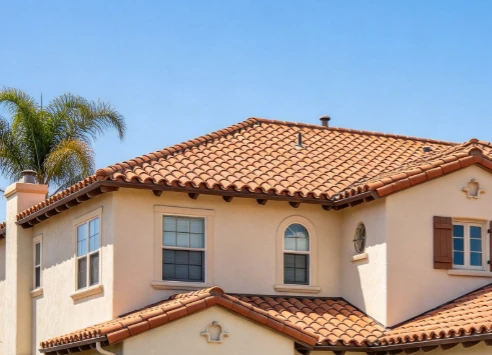
How Long Do Spanish Tile Roofs Last in California
High‑fired clay Spanish barrel tile itself can hold up for 50‑100+ years under ideal conditions. But real‑world California job‑site experience tells us the full functional roof system usually hits major wear points between 20‑30 years.
This big gap creates a lot of confusion for local homeowners when researching how long do spanish tile roofs last.
- Clay Spanish barrel tile shell: 50‑100+ years
- Concrete‑made Spanish profile tile: 30‑50 years
- Waterproof underlayment membrane: 15‑30 years
- Metal flashing, sealants and fasteners:15‑25 years
- Well‑maintained complete Spanish tile roof assembly:40‑70+ years
- Poorly‑installed or neglected Spanish tile roof:15‑25 years before recurring leaks appear
What this means for you: individual tiles might stay intact for generations, yet critical waterproof layers will degrade long before tile material wears out.
Why Spanish Tile Roofs Fail Earlier Than You Think
1. Underlayment Degradation (The #1 Hidden Issue)
This is the most‑missed pain point for Spanish tile roofs. Even if every tile looks perfect from ground‑level viewing, the hidden underlayment slowly dries out, cracks or delaminates after 20‑30 years. Once it breaks down, rainwater seeps underneath tiles and causes attic rot and hidden mold damage.
2. Brittle Tile Breakage & Displacement
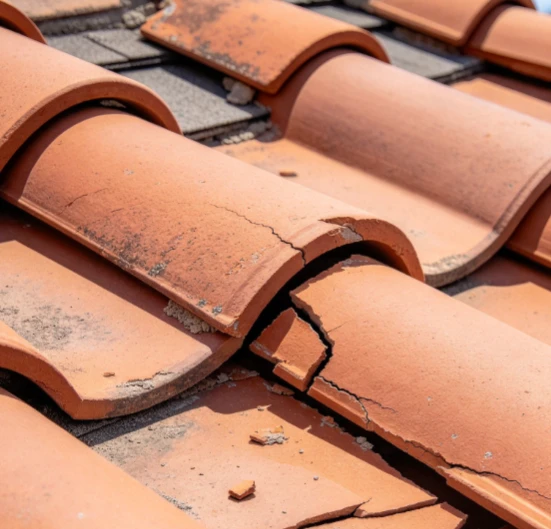
Traditional clay Spanish tile is brittle. Falling tree branches, hail, thermal expansion cycles and even foot traffic during inspections can chip, crack or shift tiles. One broken tile opens a pathway for water intrusion.
3. Wind‑Driven Rain Penetration
Spanish tile works by shedding water, it is not a fully sealed system. When Santa Ana gales blow rain sideways, moisture can push under overlapping tile joints, especially where installation work was rushed.
4. Attic Heat Buildup & Inadequate Ventilation
California summer attic temperatures can climb extremely high. Without balanced intake‑exhaust ventilation, trapped heat accelerates aging of underlayment and sealant materials.
5. Heavy Dead Load On Roof Framing
Clay Spanish tile adds substantial weight. Plenty of older California homes were never engineered for this heavy roofing load. Over years, subtle structural movement makes tiles crack, slip or separate.
Common Signs a Spanish Tile Roof Is Failing
Watch these practical warning signs before small issues snowball into expensive interior repairs:
- Chipped, cracked, loose or missing barrel‑style Spanish tiles
- Water stains or damp spots showing up on interior ceilings and upper walls
- Damp attic insulation or persistent musty attic odors
- Rust streaks forming on valley and chimney flashing
- Recurring leaks following wind or rain storms
- Surface fading or erosion for concrete‑based Spanish tile
Spotting two or more of these red flags means you should arrange a professional roof inspection. In many cases the root trouble lies in underlayment rather than just a few visible broken tiles.
How to Extend the Life of a Spanish Tile Roof
- Schedule professional full roof inspections every 3‑5 years, especially after major wind or hail events
- Swap out cracked or missing tiles promptly - do not wait until leaks show up inside your house
- Re‑seal and check all flashing work around chimneys, skylights, roof valleys and pipe penetrations
- Upgrade attic ventilation if your current setup traps excessive summer heat
- Minimize foot‑traffic walking directly across tile surfaces; use professional roof‑walking safety protocols whenever access is needed
Spanish Tile vs. JHL Bond Stone Coated Metal Roof Tile
If you appreciate the classic Spanish‑style aesthetic but want to avoid the common weak points of heavy clay tile in California's harsh climate, take time to compare traditional Spanish tile against JHL Bond stone coated metal roof tile.
JHL Bond replicates classic tile curb appeal without the heavy dead‑load weight of clay. It uses premium 55% alu‑zinc galvalume steel substrate with sintered natural basalt stone granule finish, built to stand up to UV heat, wildfire risk and coastal salt‑laden air.
- Real‑world service lifespan:50‑70+ years with proper installation; backed by formal 50‑year limited material warranty
- Light‑weight profile:far lighter than clay Spanish tile; many older roof decks support overlay re‑roof without costly structural reinforcement
- Interlocking panel design:engineered to resist Santa‑Ana wind uplift pressure
- Class A fire‑rated assembly:well‑suited for California wildfire hazard zones
- Strong salt‑spray corrosion resistance:works reliably both for inland valleys and ocean‑adjacent coastal communities
- No mandatory mid‑cycle underlayment tear‑off:avoids the big renovation expense typical for aging clay Spanish tile roofs
View complete specs, color choices and accessory details for this profile: JHL Bond Stone‑Coated Metal Roof Tile for USA Market. For overlay and new‑build project guidance you can also review our installation reference material.
Important practical note: Performance still depends strictly on following manufacturer installation standards. Even premium tile products degrade fast with poor field workmanship.
Should You Replace Your Spanish Tile Roof?
Your decision hinges on roof age, visible condition, and cumulative repair costs year‑over‑year.
When your Spanish tile roof hits 20+ years old and you keep fighting repeat leaks, widespread tile cracking or failing underlayment, continuous patching rarely makes good financial sense.
California homeowners typically weigh two realistic paths:
- Repair & partial re‑work:Best when most tiles remain intact and underlayment still holds acceptable performance.
- Full re‑roof with JHL Bond stone‑coated metal tile:Worth serious consideration for homeowners chasing long‑term durability, lower recurring maintenance, plus the classic tile visual look.
Final Thoughts
So, how long do spanish tile roofs last in California? Individual clay Spanish tile can indeed last 50‑100+ years. That said, waterproof underlayment and flashings will require major renewal work every 20‑30 years, a detail many home buyers do not anticipate.
Well‑maintained Spanish tile roofs deliver decades of great service. However neglected or poorly installed systems develop leaks much sooner. If you want timeless Mediterranean curb appeal paired with modern‑day weather resilience, JHL Bond stone coated metal roof tile serves as a practical alternative for California residential and light‑commercial buildings.
Get in touch with our JHL Roof technical team for sample kits, color references or official warranty documentation for your upcoming re‑roof or new construction job.