

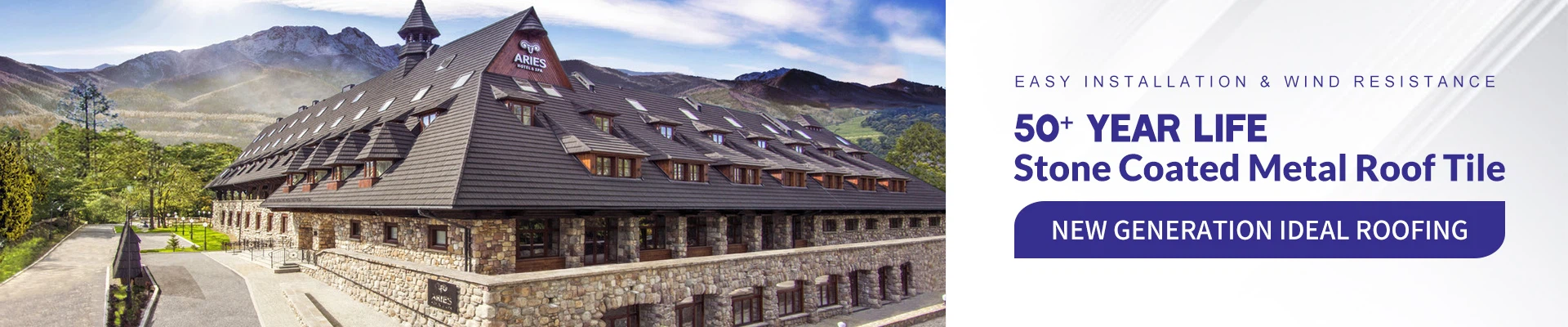
How Long Do Roofs Last In California?
Oct 22, 2026
Leave a message
Table of Contents
- How Long Do Roofs Last in California By Roofing Material
- JHL Bond Stone Coated Metal Roof Tile: Built For California's Harsh Climate
- 4 Climate Factors That Change How Long Do Roofs Last in California
- Clear Warning Signs Your California Roof Needs Repair or Replacement
- Frequently Asked Questions
- Final Thoughts
How Long Do Roofs Last in California? Critical Real‑World Lifespan Data For 2026
Author: JHL Roof Technical Team | Published: Oct 22, 2026
Written by our in‑house technical team with hands‑on experience exporting roofing materials for US residential & light‑commercial projects. We reference real field feedback from California local roofing contractors.
If you live in California, you know your roof fights non‑stop stress year‑round. That's why so many local homeowners ask: how long do roofs last in california?
Intense year‑round UV radiation, wild temperature swings, destructive Santa Ana winds, wildfire risk, plus corrosive salt air along the coastline all eat away roofing materials faster than most other US states.
Your roof's usable service life hinges on three big things: what roofing material you select, installation craftsmanship, plus regular inspections and maintenance.
Below we break down real‑world roof lifespans you can expect for popular California roofing materials. We'll dive deep into performance of our JHL Bond stone coated metal roof tile - built specifically to hold up under California's punishing weather conditions.

How Long Do Roofs Last in California By Roofing Material
Note: All numbers below reflect real‑world on‑site service feedback from California roofing contractors, not just factory lab ratings.
| Roofing Material | Real‑World California Lifespan | Key California‑Specific Notes |
|---|---|---|
| 3‑Tab Asphalt Shingles | 15‑20 years | Thin, budget‑friendly. UV rays speed granule loss; Santa Ana winds often lift loose shingles early. |
| Architectural / Dimensional Asphalt Shingles | 20‑30 years | Thicker laminated build. Most Southern California homes need replacement around the 20‑year mark. |
| Concrete & Clay Tile | 40‑75+ years | Tile bodies hold up extremely well. Critical catch: waterproof underlayment needs replacement every 20‑30 years. Heavy weight may require structural reinforcement. |
| Flat / Low‑Slope Roofing (TPO, EPDM, Built‑Up) | 15‑30 years | Vulnerable to standing ponding water; seam failures need routine checks. |
| Wood Shake / Wood Shingles | 20‑30 years | Strict wildfire building codes apply across many California counties; termite risk. |
| Standard Standing‑Seam Metal Roof | 40‑70 years | Good durability, but coastal salt spray can degrade cheap paint coatings and trigger rust over decades. |
| JHL Bond Stone Coated Metal Roof Tile |
50‑70+ years (50‑year limited material
warranty) |
55% alu‑zinc galvalume steel base, natural basalt stone granules. Class A fire‑rated, Class 4 hail‑impact rated, interlocking high‑wind design. Works both inland and coastal California.
|

JHL Bond Stone Coated Metal Roof Tile: Built For California's Harsh Climate
Many homeowners shopping for long‑term roofing options overlook stone‑coated metal. Our JHL Bond stone coated metal roof tile was refined using real‑world feedback from US roof installers, to fix common pain points seen across California job sites.
It uses high‑grade 55% alu‑zinc galvalume steel substrate (we avoid thin recycled steel that fails fast near saltwater). Multi‑layer coatings lock natural sintered basalt stone granules firmly to the panel surface. No dyed sand that quickly fades under strong California sunshine.
Key advantages for California property owners:
- Interlocking tile profile engineered for high‑wind / hurricane‑prone zones, to resist Santa Ana wind uplift
- Class A fire rating, a huge plus for wildfire‑risk counties; some local insurance carriers offer premium discounts for Class A roof assemblies
- Far lighter than clay or concrete tile. Many older roof decks can accept an overlay re‑roof without expensive structural upgrades. If you plan an overlay install, read our practical guide: Stone‑Coated Metal Roof Tile Installation Tips
- Excellent salt‑spray corrosion performance, so it works equally well for inland valleys and ocean‑front properties
- Complete matching accessories (ridge caps, valley flashing, sealed fasteners) ship with every order. Contractors won't waste time hunting for mismatched trim parts mid‑job.
You can view full specs and color options for this profile here: JHL Bond Stone‑Coated Metal Roof Tile for USA Market
Unlike clay tile roofs, you won't face a mandatory expensive underlayment tear‑off halfway through your roof service life. We supply formal English‑language documentation for our 50‑year limited material warranty for every shipment.
Important caveat: Even premium tile like this must be installed per manufacturer specifications. Poor installation cuts any roof's expected lifespan drastically.

4 Climate Factors That Change How Long Do Roofs Last in California
Not every spot in California treats your roof the same. These four factors explain why two identical roofs can have very different lifespans:
- Intense UV and Summer Heat
Inland cities like Fresno or parts of Inland Empire see relentless sun. UV radiation dries asphalt binders, stripping protective granules year after year. Tile and metal perform far better under continuous sun exposure.
- Attic Ventilation Performance
Bad attic ventilation traps scorching hot air under your roof deck. This "bakes" roofing material from underneath, aging your roof many years ahead of schedule, even if you bought top‑tier shingles or tile.
- Coastal Salt Air vs Inland Thermal Shock
Ocean‑side homes fight salt‑laden mist that slowly eats away unprotected metal and fasteners. Inland locations swing wildly between hot days and cold nights, creating constant material expansion and contraction stress.
- Installation & Routine Maintenance
Great material is only half the battle. Flashing work around chimneys, skylights, proper nailing technique, plus yearly gutter cleaning all decide if your roof hits the upper end or lower end of its expected lifespan.
Clear Warning Signs Your California Roof Needs Repair or Replacement
Watch for these red flags before small leaks spiral into rotted roof sheathing, ceiling mold and costly interior repairs:
- Shingles that curl, cup, crack or lift after wind events
- Heavy granular debris piling up inside gutters (classic failing‑asphalt warning sign)
- Brown water stains on interior ceilings, damp attic insulation, or musty attic smells
- Cracked, slipped or broken clay/concrete tile pieces
- Rust streaks or peeling paint on basic metal roofing panels
- Blistering surfaces or split seams for TPO / EPDM flat roofing
If you spot two or more of these symptoms at once, schedule a full professional roof inspection right away.
Frequently Asked Questions
Q: What is the longest‑wearing roof type you can buy for California homes?
A: Premium stone‑coated metal like JHL Bond tile, high‑quality standing‑seam metal, and authentic clay tile all deliver outstanding longevity.
Clay tile is visually durable but heavy and requires underlayment replacement mid‑life. JHL Bond stone coated metal roof tile delivers lightweight build, Class A fire safety, UV stability and salt‑air resistance for both coastal and inland locations.
Q: Is stone‑coated metal worth paying more upfront compared with asphalt shingles?
A: Yes for homeowners planning to stay in their home for 20+ years. Standard asphalt shingles will require full replacement long before JHL Bond tile reaches its mid‑service point. This saves you future tear‑off labor, waste disposal and re‑roof material costs.
Q: Can JHL Bond stone‑coated metal tile install directly over an old existing roof?
A: It is possible on many projects, subject to local building codes and existing roof deck condition. Light weight gives you options unavailable for heavy clay tile. Always review our installation best‑practices article before planning overlay work.
Q: Will JHL Bond tile hold up near the California coastline with salt air?
A: Yes. Our galvalume steel substrate plus bonded basalt granule top layer is engineered for salt‑spray corrosion resistance. That makes it a much stronger choice than ordinary painted metal panels for ocean‑adjacent counties.
Final Thoughts
Asphalt shingles remain popular for low‑budget re‑roof jobs, yet they are the shortest‑lived mainstream choice for California's harsh climate.
Clay and concrete tile look fantastic for decades, but most homeowners do not anticipate the expensive underlayment replacement needed halfway through ownership.
If you want a long‑term roof solution that resists UV heat, Santa Ana high winds, wildfire risk and coastal salt corrosion, JHL Bond stone coated metal roof tile delivers exceptional total‑value lifespan for residential and light‑commercial California builds.
If you'd like sample kits, color swatches, project references or warranty details for your California re‑roof or new build project, reach out to our JHL Roof technical team.