

How to Prepare Your Roof for Winter: 2 Tips for Homeowners
Nov 29, 2024
Leave a message
How to Prepare Your Roof for Winter: 2 Tips for Homeowners
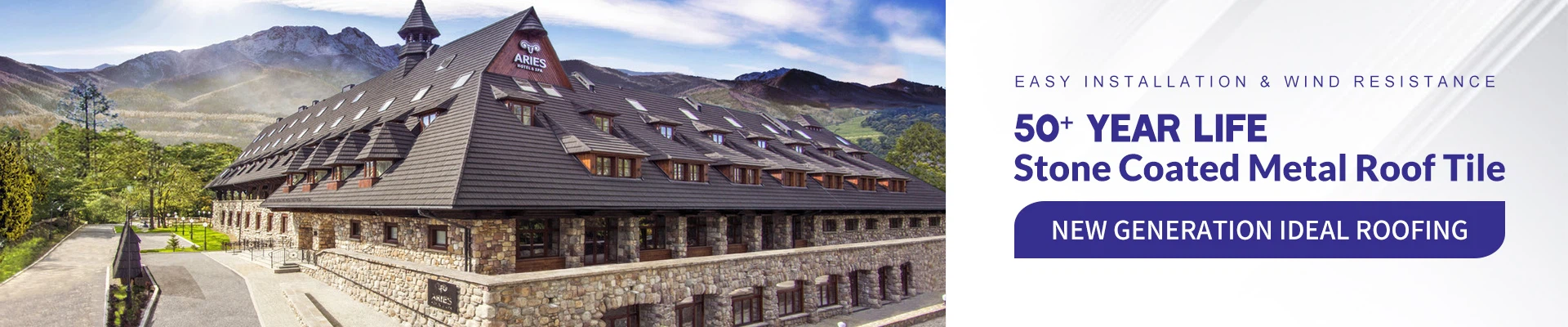
NEW GENERATION IDEAL ROOFING
Your roof is your first line of defense against harsh winter weather, so it's important to be prepared before the rain and snow arrive.
No matter where you live, this article will show you how to winterize your roof. These steps include:
- Clear your roof from infusion debris and check for overhanging tree branches.
- Inspect your roof for damage or missing shingles, tiles, or wobble.
- Take steps to weatherproof your roof.
By taking these precautions, you can rest assured that even if the weather outside is terrible, your roof will be ready for anything.

Start with a Clean Roof
It helps to start with a clean surface. This will give you a clear view of your roof and any areas that may be susceptible to wind and water damage.
Remove Dirt and Debris
Begin by removing any accumulated debris such as soil, sand, branches, trash, and other unwanted materials. Depending on what you find, you may need to clean it by sweeping or hosing.
Pressure or power washing is generally not recommended for most roofs because it can strip particles from the shingles and create excessive force that can allow water to enter cracks and crevices. This can damage the underlayment or even allow water to seep into the interior of your home.
If you live in a humid climate, you may find that certain microorganisms or small plants such as lichen, moss, algae, or fungi have taken root on your roof. These should be removed with a gentle brush and a solution for cleaning the roof. Afterwards, preventative treatments can be applied to stop the regrowth of these organisms.
Check for damaged or vulnerable areas
Once the roof is thoroughly cleaned, check for loose or missing tiles or shingles. Also check for areas where water may be leaking, especially around metal materials at joints. Common trouble spots include the base of chimneys, around skylight edges, skylights, flues, and around pipe vents.
Before the snow arrives, replace any broken or missing roofing materials. Make sure the flashing is secure, and replace damaged or aged flashing. You may also need to use caulking or roofing cement for additional waterproofing.
Check the roof for sagging or tilting. This could indicate a problem with the surface material, or indicate a problem with the underlayment or decking. These issues should be addressed before severe weather arrives, especially if you live in an area with heavy snow.
Finally, check the attic or upper levels of your home for signs of water damage. Brown spots, peeling paint, crumbling ceiling plaster, and musty odors are all signs of potential water damage, either from the roof or flashing.
Also, make sure the roof ventilation system is intact and free of debris. Ridge vents along the roof should also be checked, as they are vulnerable to wind damage.


Be prepared for winter rain and snow
Once you've verified that your roof doesn't have any potential leaks, you can confidently move on to your final winter preparations. This includes:
Adding insulation to the attic or top floor, if needed.
Install gutter covers to prevent leaves and other debris from clogging your gutters.
If you have heavy snowfall and a steep roof, invest in a snow guard.
Buy a snow rake to clear your roof and prevent ice dams from forming.
Snow guards protect people, property, and landscaping below the roof by preventing large amounts of snow from sliding off. Gutter covers prevent your gutters from filling up.
Consider JHL ROOF Metal Roofing to Protect Your Home from Winter Weather
Stone Coated Metal Roof Homes offer greater protection, and homeowners love it because of its many benefits:
Lightweight: Durable and lightweight roofs, like metal roofs, increase the shear strength of your roof deck without adding extra weight. Plus, the non-porous nature of metal roofs means snow and ice typically slide off your roof before accumulating.
Long-Lasting: Metal roofs are two to three times more durable than traditional roofing materials, like asphalt shingles and wood shingles, making your roof easier to winterize year after year.
Durable: JHL ROOF metal roofs have the highest hail impact rating, and warranty coverage includes hail up to 2.5 inches in diameter. Our panels are guaranteed to withstand winds of up to 120 miles per hour. This makes JHL ROOF a great choice for cold climates, as they help prevent the elements from seeping in, providing extra protection during harsh winter weather.
In addition, with JHL ROOF, you can choose from a variety of colors and styles that replicate traditional roofing materials like shingles, tiles, and shakes for a look that perfectly matches your home's aesthetic.
Want to see what a JHL ROOF will look like on your home? Request a free sample or try our free visualizer and be ahead of the worst winter weather with a new stone coated metal roof. Yes, our roofs can be installed in the winter!