

What is the Strongest Type of Roofing Material for My Home?
Jul 04, 2024
Leave a message
What is the Strongest Type of Roofing Material for My Home?
NEW GENERATION IDEAL ROOFING
The strongest roof for your home is the one that can best withstand the climate and weather conditions in your area.
Because climates vary around the world, you'll want to consider the climate conditions that affect the area where your home is located.
For example, in a tropical environment like Hawaii, a house would need a resistant roof that can withstand high winds, heavy rain, and high humidity. In areas prone to snow, homes would need a lightweight roof that can resist high winds, ice and snow accumulation, and repeated freeze/thaw cycles.
To determine the strongest roof for your home, you'll want to ask the following questions when comparing different residential roofing options.
An overview of common residential roofing materials.
Can the roof withstand the impact of hail?
Is the roof made of fire-resistant materials?
Can the roof withstand hurricane-force winds?
Overview of Common Residential Roofing Materials
Let's start by reviewing the most common residential roofing materials.
Asphalt Shingles: Made from petroleum-derived products, asphalt shingles are the least expensive roofing material on the market. Most asphalt shingles last 12-20 years. Asphalt shingles have historically been the most common roofing material due to their low price, but they are losing market share year by year to metal roofs and other modern roofing materials that offer superior durability, longevity, energy efficiency, and return on investment.
Clay and Concrete Shingles: Traditional tile roofs are made from clay or terracotta baked at high temperatures. Pressing concrete into steel molds is another option. However, as one of the heaviest roofing materials, clay and concrete shingles often require reinforcement on exterior walls, interior load-bearing walls, and roof structures to adequately support the additional weight.
Metal Roofs: Metal roofs can be made from different recyclable and sustainable metals, including copper, aluminum, and steel. They are available with standing seam or stamped designs, visible or invisible fasteners, and nearly any color to match the style of your home. Although slightly more expensive than asphalt shingle roofs, metal roofing is the second most popular roofing material due to its longevity, durability, energy efficiency, and high return on investment.
Wood Shakes and Shingles: Wood shakes and shingles are cut or split from cedar, cypress, pine, or redwood. They were popular throughout the 19th century but fell out of favor with the introduction of more affordable and durable roofing materials.
Can a roof withstand the impact of hail?
Severe hail events are on the rise. The 2024 hail season has already broken records for hail severity and frequency, with 6,962 hailstorms in 2023 compared to 4,436 in 2022, according to the study.
If you live in an area where hail is common, be sure to look for roofing materials with the highest 4-level hail impact rating.
Is the roof made of fire-resistant material?
Amid the devastation of the 2023 Lahaina Fire, one house remained intact. Dubbed the "Lahaina Miracle House," the house survived in an area where many other homes were razed, and the homeowner and industry experts credit it to its metal roof.
As the article states, Can a Metal Roof Save Your Home from a Wildfire? When it comes to home fire safety, there aren't a lot of ways to ensure a home is safe from harm. But experts have been touting metal roofs as one of the only real preventative measures you can take."
If you live in an area prone to wildfires, choose a roofing product with a Class A fire resistance rating.
Roofs with a Class A fire resistance rating have been shown to be the most effective against severe fire tests, providing protection against flame penetration and surface flame spread without the need for additional treatments.
Can the Roof Withstand Hurricane-Force Winds?
Miami-Dade County in Florida has some of the strictest roofing codes in the nation, as the area experiences frequent and severe hurricanes from June to November. Even if you don't live in a hurricane zone, a roofing product approved for use in high-velocity hurricane zones, such as Miami-Dade County, will ensure better protection from high winds.
Keep in mind that high winds often occur in conjunction with other severe weather, such as thunderstorms, high winds, and hail. Therefore, it's important to choose a roof that can withstand not only high winds, but also:
Wind Debris: Look for roofs with the highest Class 4 impact rating.
Wind Rising: Look for roofs that are TAS-100 tested and proven to prevent rain from seeping into the lower deck.
Wind Uplift: Look for roof products with a high wind uplift rating, which is a key safety metric for building and testing roof systems.
About JHL ROOF Metal Roofing
Metal roofing has dominated the industrial sector for over a century. Warehouses, factories and other industrial buildings benefit from the industrial strength, durability and longevity that only metal roofing can provide.
While metal roofing offers industrial strength and durability, it has historically lacked the style, beauty and aesthetics desired for most residential buildings and family homes.
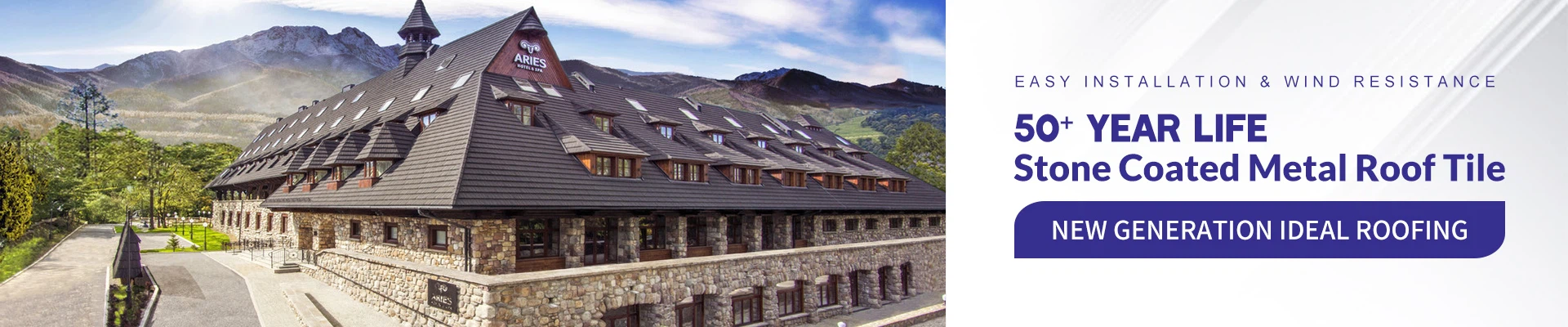
Bridging the gap between industrial durability and architectural beauty, stone coated metal roofing offers homeowners a durable roofing solution without sacrificing style.
JHL ROOF metal roofing also offers a long list of other homeowner-friendly benefits, including:
Longevity: Two to three times more durable than traditional roofing materials like asphalt shingles.
Durability: Built to withstand hail, hurricanes, tornadoes, fires and anything Mother Nature or natural disaster throws at you.
Low Maintenance: JHL ROOF roofs are extremely low maintenance and do not require the frequent upkeep, handling and repairs of traditional roofing materials.
Environmentally Friendly: Metal roofing is a sustainable product that is 100% recyclable at the end of its useful life.
Lightweight: Because JHL ROOF metal roofs are so lightweight, it is often not necessary to remove an existing roof, diverting more waste from landfills. Contact your local building department to learn more about requirements for removability.
Strength-to-Weight Ratio: JHL ROOF metal roofs offer an exceptional strength-to-weight ratio because they increase the shear strength of the roof deck and structure, which is critical for homes in hurricane- and earthquake-prone areas. Metal roofs do not require additional reinforcement or construction to support the weight of the roofing material, like clay or concrete shingles.