

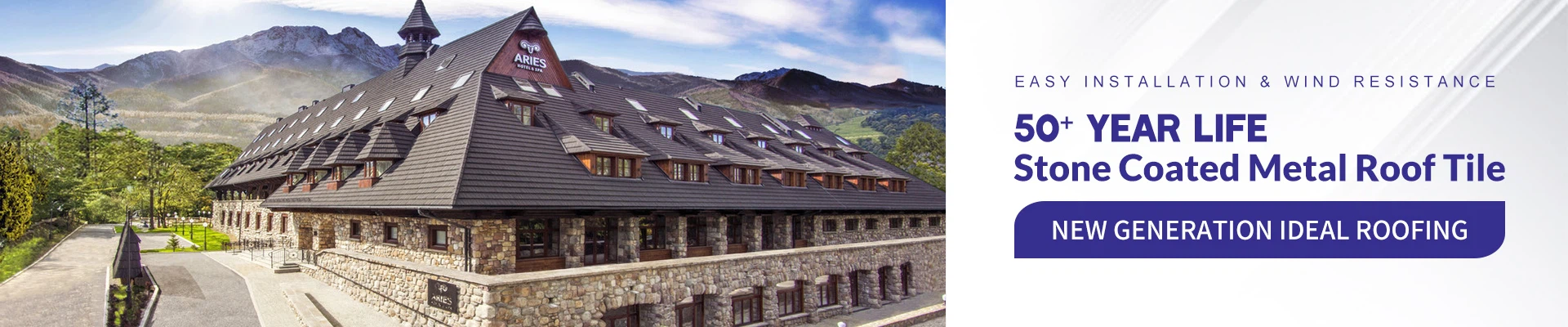
What Roofing Material is the Best?
Mar 03, 2025
Leave a message
What Roofing Material is the Best?
NEW GENERATION IDEAL ROOFING
If you're reading this blog, chances are you're considering a new roof-but not just any roof. You want the best roofing material on the market, one that will provide lasting protection for your home.
That's where metal roofing, specifically JHL ROOF, comes into play.
In this blog, we'll cover:
- The pros and cons of common roofing materials
- The many benefits of choosing a metal roof for your home
If what we've learned about metal roofing resonates with you and seems right for your property, JHL ROOF makes it easy to take the next step. You can request a sample or try our visualizer to see how it would look on your home.
Let's get started.

Asphalt Shingles
Asphalt shingles account for the largest share of roofing materials due to their lower cost and wide availability. They are also easy for roofing contractors to install and do not require specialized skills.
However, their market share is expected to decline over the next three years as homeowners increasingly turn to more durable roofing options.
Major issues with asphalt shingles include:
Short lifespan: Asphalt shingles have a relatively short lifespan of about 12 to 20 years. In areas with extreme weather, they may need to be replaced sooner.
Weather vulnerability: Severe weather can cause asphalt shingles to crack, warp, and thresh, reducing their ability to protect a home.
Heat absorption: Asphalt shingles tend to absorb heat, which makes it harder to cool a house in hot climates, driving up energy costs.
Environmental impact: As a petroleum-based product, asphalt shingles contribute to millions of tons of landfills each year. They are better suited for budget-conscious roofing projects where longevity and durability are not of the utmost importance.
Key takeaways: Asphalt shingles may be a good fit for homeowners on a tight budget, but they fall short in terms of durability and sustainability compared to other options.
Wood Shingles and Shakes
Before asphalt shingles became widespread, wood shingles were the go-to roofing material. While they add charm to rustic homes and buildings, their appeal today is largely aesthetic.
Wood roofs come with several performance issues, making them less practical. Key concerns include:
Fire Risk: Unless treated with fire-resistant coatings, wood roofing is highly flammable, making it a poor choice for fire-prone areas.
Expensive Upkeep: Maintaining a wood roof can be costly, with frequent repairs and treatments needed to address wear from decay and infestation.
Moisture Sensitivity: Wood shingles are susceptible to moisture damage, which can lead to rotting, warping, or mold growth, especially in humid climates.
Inconsistent Appearance: Over time, wood can weather unevenly, leading to a patchy or inconsistent look that might detract from the overall aesthetic of your home.
Key Takeaways: While wood shingles and shakes offer a classic look (if they weather evenly), they're difficult to maintain and present a fire hazard.


The Benefits of Stone-Coated Metal Roofing
As weather patterns become increasingly unpredictable, many homeowners are turning to metal roofing to protect their homes and investments. They choose metal roofing for one simple reason: It outperforms traditional materials in both durability and longevity.
Here's how it stands out:
Longer life: Metal roofs can last 40 to 80 years. That's much longer than asphalt shingles, which typically need to be replaced every 12 to 20 years.
Impact resistance: JHL ROOF metal roofs are warrantied for hail up to 2.5 inches in diameter.
Fireproof: With an A2 fire rating, JHL ROOF metal roofs offer the highest level of fire protection recognized by Underwriters Laboratories.
Metal roofing is also lighter than traditional materials and doesn't require additional structural support. Plus, its superior strength-to-weight ratio makes it ideal for earthquake-prone areas.
In addition to durability, metal roofing offers economic benefits that make it a smart investment:
Energy efficiency: Metal roofs reflect sunlight instead of absorbing it, helping homeowners in warm climates save up to 40% on energy costs.
Low maintenance: Unlike other materials, metal roofs don't require expensive resealing or frequent cleaning.
Higher resale value: A metal roof can increase a property's value by 6%, and homeowners can recoup 60-85% of the cost of installation.
Request a Complimentary Sample
Now that you understand the benefits of a metal roof, you may be wondering – does it look as good as any other roof? The answer is yes (if not better)!
JHL ROOF metal roofing is available in a variety of colors and textures to complement the exterior of your home. With shake, shingle, and tile profiles replicating the look of traditional materials, you're sure to find a style that gives you the classic look you love, with the added benefits of a modern metal roof.
To see for yourself, we encourage you to request a free sample. A JHL ROOF metal roofing consultant will help you find the perfect match and answer any questions you may have about the product. While you wait, be sure to check out our gallery or use the visualizer.
