

Why Insulated Aluminum Roofing is the Future of Smart Construction
May 09, 2026
Leave a message
Why Insulated Aluminum Roofing is the Future of Smart Construction
When it comes to modern roofing, the conversation has shifted from "how does it look?" to "how does it perform?" For homeowners and commercial developers alike, finding a material that balances aesthetic appeal with high-level efficiency is the ultimate goal. That is where Insulated Aluminum Roof Panels (often referred to as sandwich panels) are changing the game.
Based on the latest manufacturing standards seen at facilities like Baisheng and JHL, here is a deep dive into why this technology is becoming the global standard for durable, energy-efficient housing.
The Anatomy of an Insulated Roof Panel
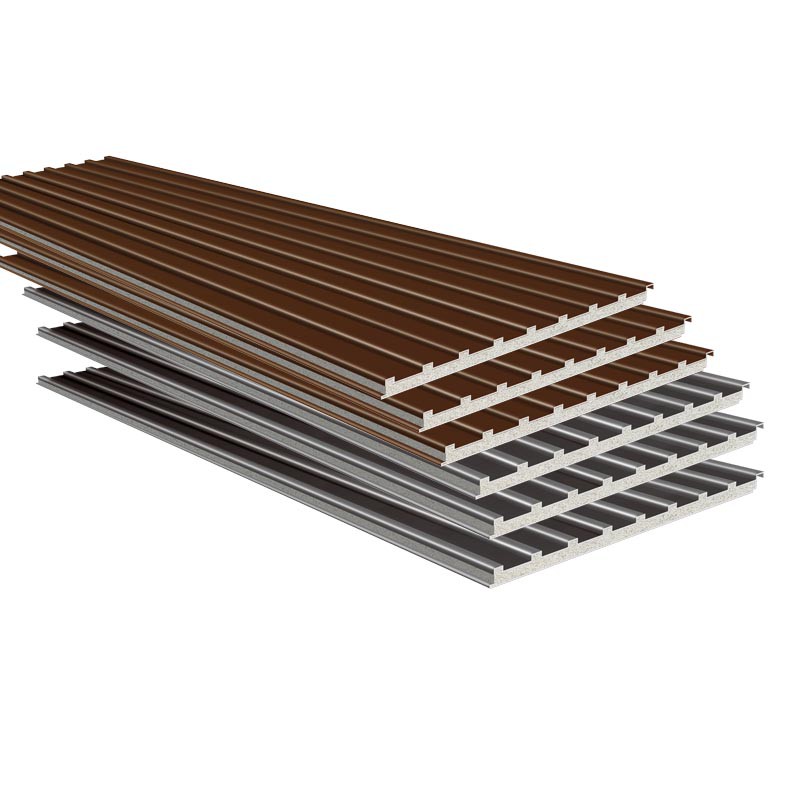
Unlike traditional shingles or basic metal sheets, these panels are engineered with a multi-layer system designed for maximum protection:
Premium Aluminum Shell: The exterior is crafted from a high-grade aluminum alloy, making the entire structure fully rust-proof and capable of withstanding extreme weather conditions for decades.
The PU Foam Core: At the heart of the panel is Polyurethane (PU) foam. This high-density core acts as a powerful thermal barrier, keeping interiors warm in the winter and cool in the summer.
Moisture & Corrosion Resistance: The combination of aluminum and PU foam creates a system that is naturally resistant to moisture, preventing the rot or mold issues common in traditional roofing.
Key Benefits for the Modern Homeowner
Noise Reduction: One of the most significant advantages of the insulated core is its ability to absorb vibration energy. This dramatically reduces the sound of heavy rain or hail compared to traditional metal roofing, providing a much quieter indoor environment.
Long-Term Durability: Modern manufacturers are now providing up to a 30-year warranty on these products, reflecting their confidence in the aluminum alloy's longevity.
Versatile Aesthetics: Function doesn't have to sacrifice form. These panels come in a variety of finishes, including classic solid colors (like grey), and even realistic light and dark wooden textures to suit any architectural style.

Precision Manufacturing & Global Reach
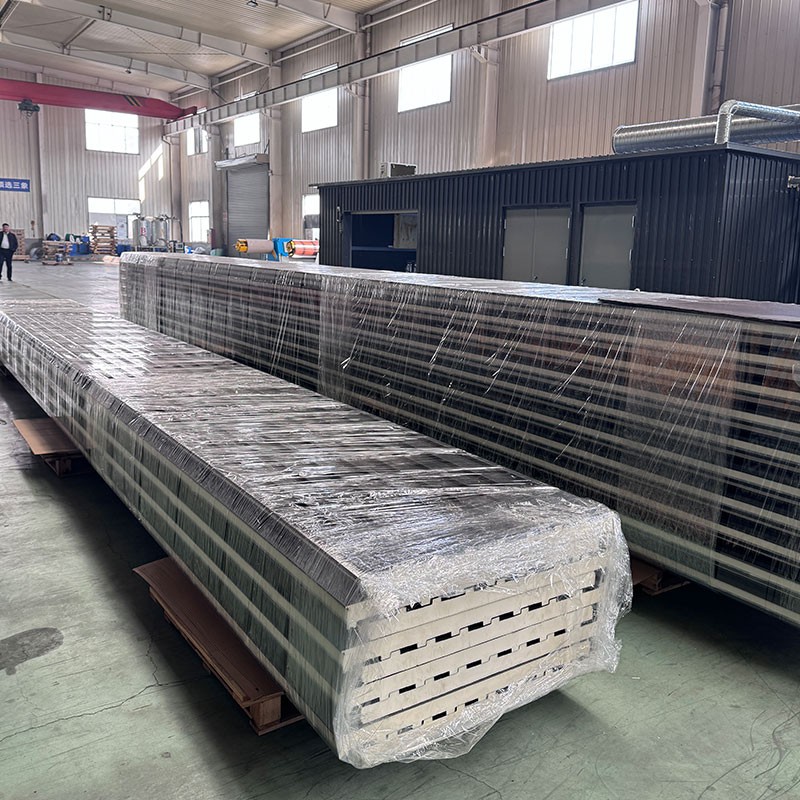
The transition to fully automatic manufacturing lines has revolutionized production. High-tech facilities now use robotic stamping processes that increase efficiency while ensuring "JHL standard" quality across every tile. This automation allows for incredible speed-some lines can produce an entire shipping container's worth of product in just three hours.
This efficiency has allowed these advanced roofing solutions to be exported to over 80 countries, including major markets like Mexico, providing builders worldwide with a reliable, high-quality alternative to unstable or dated materials.