

How to Choose the Best Roofing Material for Your Home?
Nov 24, 2023
Leave a message
Choosing the best roofing material for your home is not always an easy task. After all, you have multiple factors to deal with, such as durability, budget, aesthetics, and of course the architectural design and frame of your home, as not all types of houses are suitable.
So in this blog, we’ll look at the types of roofing materials and their benefits. When armed with the proper information and some guidance from a roofing expert, you will be able to choose the type that best meets all of your criteria.
Here are the types of roofing materials for your home
While there are a variety of roofing materials to choose from, we've narrowed it down to three of the most popular and versatile. As you peruse the options, you can also consider their long-term maintenance and energy efficiency along with the factors mentioned above.
Shingles, roofing materials
Shingles, especially those made from asphalt, are one of the most affordable roofing materials. Their base pads are made of cellulose and fiberglass and are coated with asphalt. The textured surface you see is covered with ceramic-coated opaque mineral particles. After they are installed, their layers of asphalt become hot and sticky, forming a tight seal as they are exposed to direct sunlight. This feature ensures good protection against precipitation and wind. If installed and maintained properly, tile roofs can last 25 to 30 years.
Benefits of shingle roof
Using this type, you can choose an option that is long-lasting and visually appealing. In addition to these common varieties, you can also choose from wood, metal, and fiberglass. They are also ideal for frames that require a lightweight roofing material rather than slate or clay tiles. Additionally, due to their flexibility, they fit almost any roof shape, even rather odd shapes such as steep peaked roofs, they repel moisture, prevent algae formation, and are easily repaired and replaced.
Tile roofing materials
When it comes to tile roofs, you have two materials to choose from: clay and concrete, although you can also find slate and ceramic roofs. Additionally, different shapes of tiles, such as flat, grooved, curved, or interlocking, as well as different shades, accentuate the look of your home.
Tile roofing material is installed in a similar manner to shingles, with roofers starting at the bottom and working their way to the top of the roof. Each row overlaps each other and is secured by roofing nails.
Benefits of tile roof
One of the most important properties of a tile roof is fire resistance. Additionally, its nearly 100-year lifespan and long-term cost-effectiveness make this roofing material one of the most popular. Additionally, tile roofs are known to withstand wind speeds of over 100 miles per hour and hailstones up to two inches in diameter. Another benefit is its breathability, which is due to the thickness of the tiles, keeping the house cooler in the summer and warmer in the winter. However, due to this property, tiles are better suited for homes that can support their heavier weight.
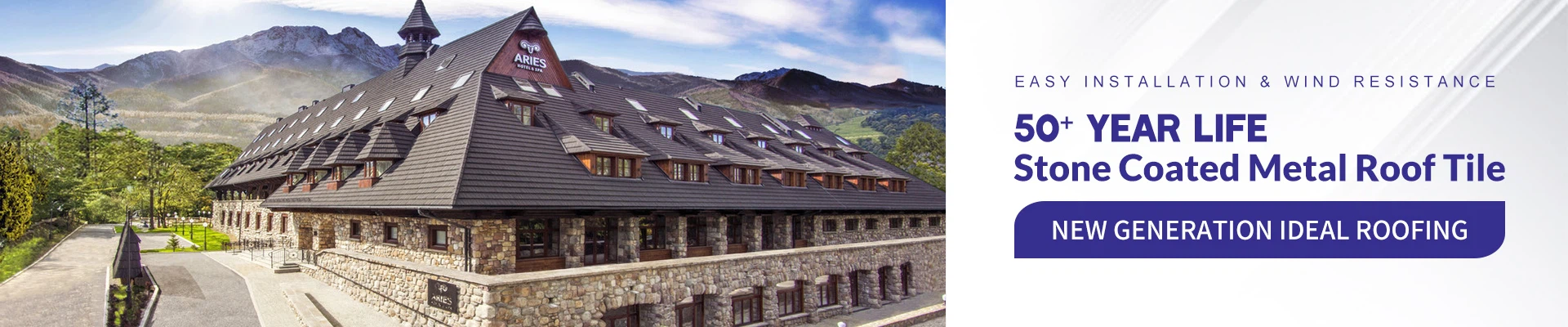
Another popular roofing material is metal, but don't just imagine the old corrugated material. Metal roofs can be made from stainless steel, aluminum, Galvalume (a combination of steel, zinc and aluminum), or even copper and zinc. In addition to copper, this type is often painted in a variety of colors to suit almost any shape and slope. Additionally, this material is another one known for its longevity (it can last 40 to 70 years if installed correctly) and its ability to withstand 140 mph winds as well as the impact of hail and debris.
Benefits of Metal Roofing
In addition to being long-lasting and durable, metal roofs are also fire and insect resistant. Therefore, there are no worries about attracting mosquitoes since the roof will not rot or retain moisture. Even so, you still won’t have to worry about aluminum rusting or corroding when moisture is involved. Another added benefit is a 25% reduction in energy consumption, especially in the summer. Metal reflects heat, thereby improving indoor cooling efficiency. If you're concerned about the impact on the environment, most metal roofs are made from recycled materials, making them one of the most environmentally friendly roofing materials.
In conclusion
Now you know the most important qualities of different types of roofing materials, as well as the benefits of each choice. So, if you’re looking for a long-lasting, protective roof, any of these types will perform during harsh winters and humid summers.
Still considering roofing materials? Contact the professionals at JHL Roofing for a free quote. Call JHL Roofing for all your residential and commercial roofing needs.