

What is Stone-Coated Metal Roofing?
Dec 31, 2025
Leave a message
What is Stone-Coated Metal Roofing?
For homeowners planning a roof renovation or selecting roofing materials for a new home, there are numerous options available today. Within the metal roofing category, stone-coated metal roofs stand out for their exceptional performance in harsh weather, effectively protecting homes from damage.
Not quite sure what a stone-coated metal roof is? This blog was created to help you learn more, including:
What are the common types of metal roofs used in residences today?
Why do stone-coated metal roofs offer benefits to homeowners that other metal roofs do not?
If you love the look of traditional materials-like asphalt shingles, wood shakes, or clay tiles-but desire the strength and longevity of metal, a stone-coated metal roof offers the best of both worlds. It perfectly blends timeless aesthetic appeal with industry-leading durability and long-term cost savings.

Types of Metal Roofs
Sometimes, metal roofs are defined by their material. You might see modern aluminum roofs or copper roofs, a material used for centuries and found on public buildings across the U.S. Over time, copper tends to develop a green patina through oxidation, adding a unique character and charm.
Metal roofs can also be categorized by their structure. For example, corrugated metal roofs resemble corrugated cardboard, with a regular pattern of peaks and valleys across the surface. Standing seam metal roofs also have a non-flat surface, with raised seams where each panel overlaps and interlocks with the next.
What is a Stone-Coated Metal Roof?
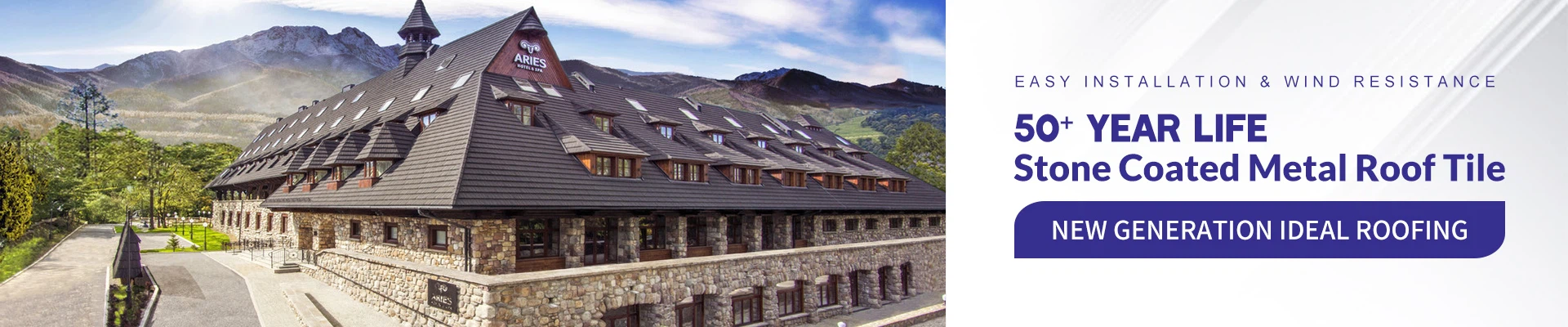
The stone-coated metal roof gets its name from its finish. It's made from steel sheets coated with stone granules. This coating serves two key purposes: it provides extra protection against wind and rain, and it allows for a wider range of colors, letting homeowners match their roof to their home's paint and style.
This is significant because, while metal roofs have been around for a long time, they were primarily a commercial building product until the 1970s. JHL ROOF played a major role in popularizing metal roofs for homes, thanks to its innovative stone coating and craftsmanship. Today, it's an ideal choice for residential renovations, offering advantages over noisier, more industrial-looking metal options.


Why Metal Roofs Are Gaining Popularity
Metal roofs, in general, are becoming increasingly popular. Demand for this type of roofing grew by 35% last year. A key reason is durability, offering homeowners protection for approximately 40 to 70 years-at least double the lifespan of traditional roofing materials.
Another reason is that insurance companies often look favorably on homes with metal roofs. They are less prone to burning, offering excellent fire resistance, and are involved in far fewer weather-related claims.
You might even qualify for an insurance discount, while your neighbors could lose their home insurance if an aerial inspection reveals a poor-quality roof. Today, many insurers use drones to inspect roof conditions and adjust policies or raise premiums accordingly.
A metal roof can increase your home's market value by up to 6%. This is a significant advantage if you plan to sell in the future, and a smart way to build long-term equity if you plan to stay.
Advantages of JHL ROOF Stone-Coated Metal Roofs
Within the stone-coated metal roof category, JHL ROOF offers additional advantages beyond those already mentioned. It provides homeowners with outstanding peace of mind and protection against wind and rain, no matter the climate.
As severe weather events become more frequent, homeowners are seeking reliable protection against wind, rain, hail, fire, and extreme temperatures. Even if your area hasn't experienced a major weather event yet, it may only be a matter of time.
We've seen hurricane-force winds reach inland states like Indiana and Ohio. Parts of Texas and California have been hit by heavy snow and severe cold. Massachusetts experienced a tornado, while the Pacific Northwest-typically known for cool summers-has been suffering through heatwaves. Drought-fueled wildfires are no longer confined to the West; they have occurred in Northeastern states and parts of Canada's Maritime provinces.

Here's how JHL ROOF addresses all these concerns:
- Impact Resistance: JHL ROOF roofs carry an excellent impact resistance rating, capable of withstanding tennis ball-sized hail with minimal damage.
- Wind Uplift Protection: JHL ROOF roofs are guaranteed to withstand Miami-Dade county-level hurricane-force winds, up to 120 mph.
- Rain Intrusion Protection: Every JHL ROOF product is rigorously tested to prevent wind-driven rain penetration, even at speeds up to 110 mph.
- Energy Efficiency: When temperatures rise, JHL ROOF helps keep homes cooler by reflecting, rather than absorbing, the sun's rays-potentially reducing cooling costs by up to 25%.
- Snow & Ice Performance: JHL ROOF is structurally strong yet lightweight, making it ideal for snowy climates. Its textured surface helps snow slide off easily, and its hollow core design reduces the potential for ice dams caused by temperature fluctuations.
- Fire Resistance: Meeting the highest safety standards, JHL ROOF roofs carry a top-tier UL fire rating, offering superior protection compared to asphalt or wood shingles.
With JHL ROOF, homeowners don't have to choose between beauty and strength. They get decades of reliable performance, industry-leading warranties, and year-round peace of mind.