

What Roofs Are Best for High Winds?
May 14, 2024
Leave a message
What Roofs Are Best for High Winds?
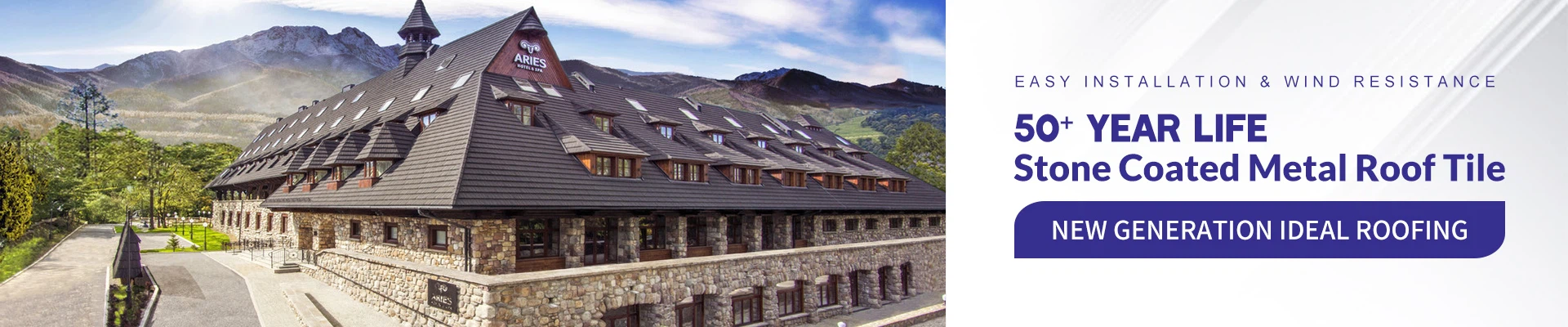
NEW GENERATION IDEAL ROOFING

Strong winds are often accompanied by other weather conditions such as thunderstorms, high winds, and hail, so it is important to look for a roof that can withstand strong winds beyond.
Depending on the wind events affecting your area, here are some important factors to consider when researching what roof is best for high winds.
Hurricane
Homes in hurricane-prone areas are often subject to the strictest building codes, so you'll want to first find a roofing material that's approved for use in high-velocity hurricane zones.
Tornado
Severe thunderstorms are launching pads for tornadoes, not to mention the damaging hail and damaging winds that accompany these storms. You need a roof that can withstand not only strong winds, but also hail and storm debris.
Wind and rain
Wind-driven rain is water that enters the roof due to the wind. No matter what kind of wind blows in your area, you need a shingle that can prevent rainwater from penetrating into the underlying roof.
Wind suction
Wind-induced roof damage occurs when the air pressure below the roof assembly is greater than the air pressure above the roof of the building. As wind passes over a building, the pressure above the roof surface decreases. At the same time, internal air pressure increases as air seeps in through openings, cracks, etc. The result is a net upward force on the roof system. This force is called wind lift.
Disadvantages of traditional windy roof materials
As mentioned earlier, it is important to look for a roof that can withstand strong winds. This can present some challenges because not every roofing material can withstand wind, hail, rain, and snow.
Traditional roofing materials, such as asphalt, clay tiles, and wood, are easily lifted by wind, which can also leave your roof deck vulnerable to wind and rain damage. Asphalt roofs can easily curl around the shingles in hot weather. Twisted shingles can easily be blown off a roof when strong winds blow.
Clay tile roofs and wooden roofs fare no better. Timber shakes can split or come loose around their fasteners, making them highly susceptible to wind lift. Clay tile roofs, which break easily, are also susceptible to wind uplift, so much so that only a few manufacturers offer any type of wind warranty.
When it comes to hail or storm debris, traditional roofing materials have shortcomings that often make them not a viable option in hurricane-prone areas. Just walking on a tile roof can cause damage, so you can only imagine the damage hail or storm debris can cause. Wood roofs fare better, but over time they become brittle and prone to cracking, making the roof highly susceptible to hail damage. Similar to wood, asphalt shingles initially resist hail well, but the shingles wear quickly and their sealing integrity can be compromised, causing leaks.
There's one roofing material that can withstand wind, hail, driving rain, and just about anything mother nature throws at it, and that's a metal roof.
Advantages of metal roofing against strong winds
In terms of strength and durability, metal roofs are among the best wind roofs on the market, thanks to:
The highest level of hail impact.
The ability to withstand hurricanes.
Metal roofs have many other benefits, including:
It lasts two to three times longer than traditional roofing materials such as asphalt, shingles and wood.
Energy savings are up to 25%, as metal is one of the most energy-efficient roofing materials on the market.
It's important to note that not all metal roofing products are created equal. While nearly every metal roof offers industrial-strength wind protection, the industrial look of many roofs lacks the aesthetics required of most residential buildings.
Stone coated metal roofs offer homeowners all the benefits of a metal roof without sacrificing style.
Stone coated metal roof for high winds
Stone coated metal roofs, like JHL ROOF metal roofs, are made from steel sheets that are then coated with stone particles.
Steel is an ideal base material for roofs because it is durable and can be easily "stamped" into a variety of shapes and textures. The application of "stamped" steel panels combined with stone granules produces a variety of vivid colors, styles and textures to suit any style of home.